

If you are a licensed esthetician or a small beauty business owner in Manitoba, you’ve already done the hardest part: getting your education, completing your apprenticeship and exam, and earning the right to work independently.
Now you’re stepping into the world of marketing, where images can make your business feel elevated, approachable, or unforgettable. But which images should you actually use?
This guide breaks down the difference between stock photos and authentic photos and shows you where to use each one in your everyday marketing.
Even if you’ve never run an ad in your life, you’ll be able to put these tips into action today.
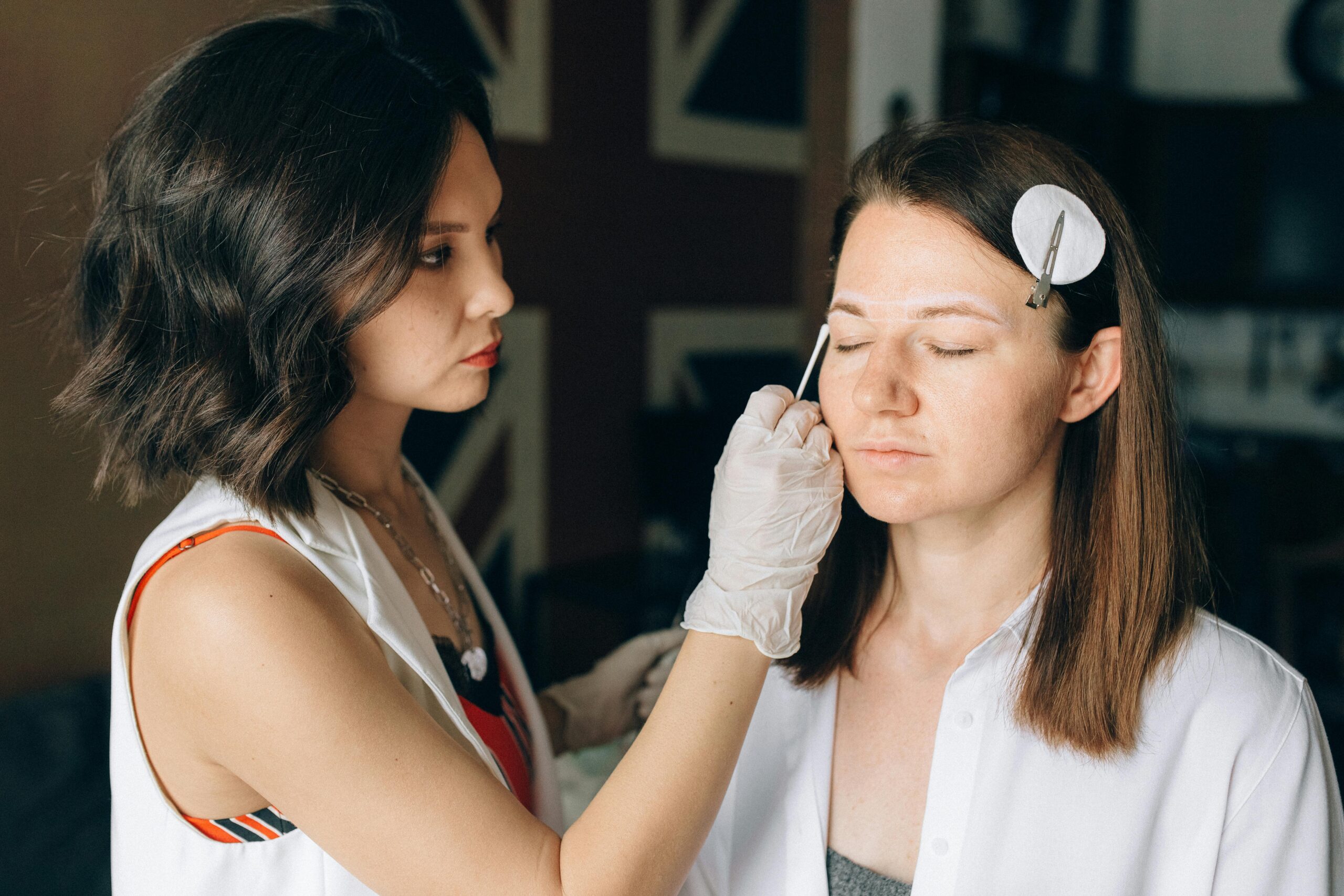
Why Images Matter So Much
Before anyone books an appointment with you, they make a quick visual judgment about your brand. This happens in a flash — often before they read a single word. The images you choose should help people trust your skill and feel excited to work with you.
Different places online call for different types of images, and using the right ones can make your entire business look and feel more professional or approachable.

Stock Photos vs. Authentic Photos: What’s the Difference?
Stock Photos
These are highly-edited images of models, clean treatment rooms, spa accessories, or glowing skin. You purchase or download them from websites.
Pros:
- Look polished and high-end
- Great for first impressions
- Fast and easy to use
- Consistent lighting and composition
- Ideal for ads
Cons:
- Not your clients
- Can feel generic if overused
- Your competitors may be using the same or similar ones
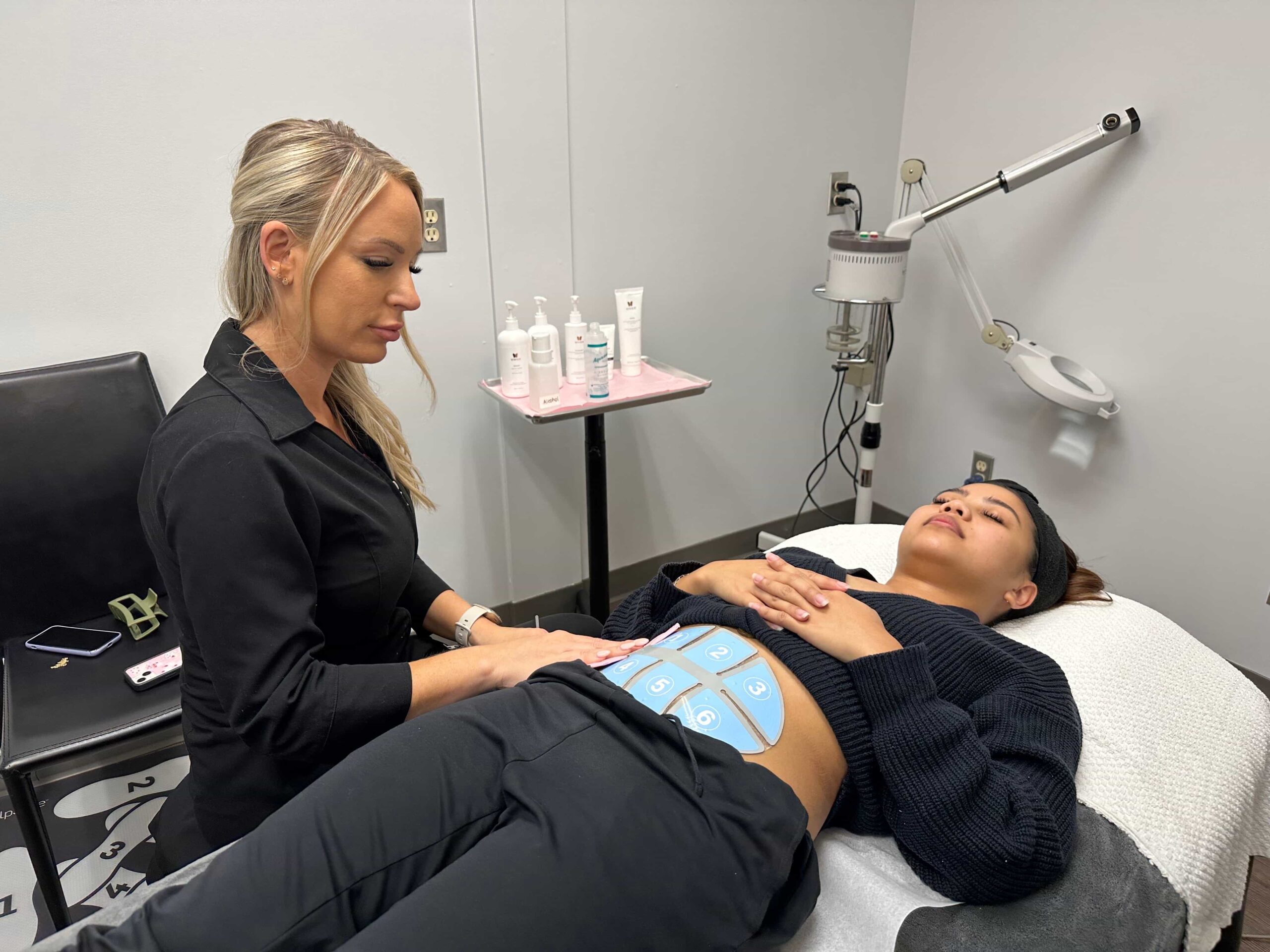
Authentic Photos
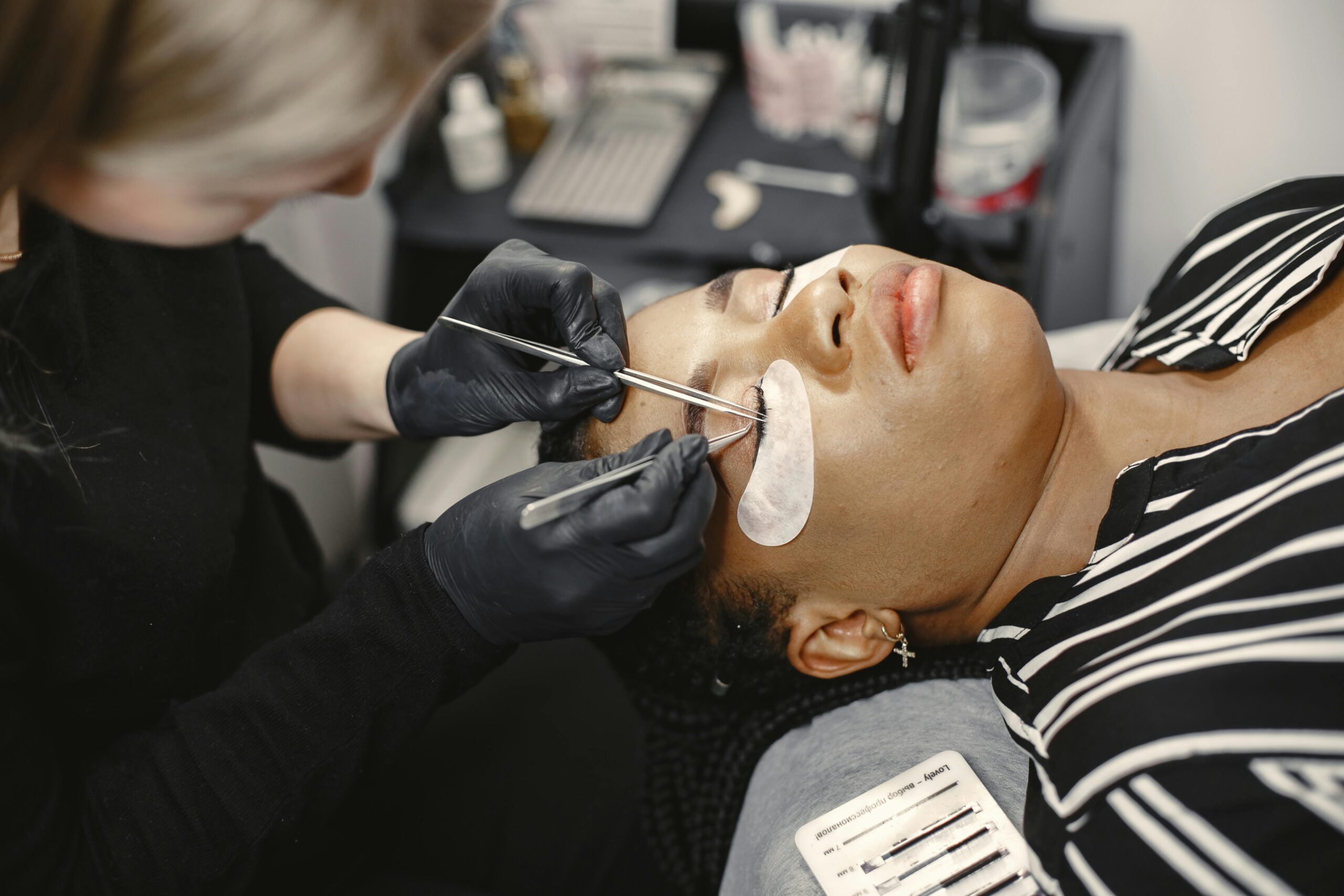
These are photos you take of your clients (with permission: build consent opt-in into your intake forms), your workspace, yourself, or your tools.
Pros:
- Build trust
- Show real treatments or results
- Make clients feel connected to you
- Prove your skills
- Approachable: “This could be me!”
Cons:
- Distracting imperfections (stray hairs, creases, clutter etc.)
- Lighting isn’t always prioritized
- Not always suitable for ads
Use authentic photos when you want credibility, connection, and proof.

Where to Use Each Type of Image
1. Your Website
Your website often makes the very first impression.
Use Stock Photos in:
- The top fold (the first big banner on your pages)
- Headers or section dividers
Why: Stock photos look clean, calming, and professional. They make your brand feel organized and trustworthy.
How to Edit Your Own Photos for Stock-Like Quality
You can absolutely create your own beautiful, aesthetically pleasing images to use instead of stock photos in the places where polished visuals are recommended.
This quick tip is just for that purpose — it’s not suggesting you highly edit every daily organic post. Instead, these are the steps for elevating your own photos so they can function as clean, professional “stock-style” images in your website, ads, and branded materials.
Start with good lighting: soft natural light or a ring light to reduce harsh shadows. Then apply edits after the picture is taken that enhance visual appeal:
- Clean the background: brighten walls, remove visual distractions while editing (such as exit signs, fire extinguishers, power outlets, cords, or anything adding clutter), and tidy up imperfections like wall marks. Neutralize colour casts and clean any fingerprints or water stains.
- Refine small details: clean up noses, cuticles, corners of eyes, and lips—basic grooming touch-ups that look natural and polished. Fill lash gaps.
- Polish hands and nails: fix chips, even out tone, or smooth ridges so hands complement the image rather than distract from it.
- Tame stray hairs: remove flyaways or single strands that reflect light strangely in close-ups.
- Soften sharp shadows: Harsh, dark areas from lighting can compete with your subject. They tend to show up most under the eyes and around the nose and mouth. Adding light to these shadows keeps the image calm, balanced, and professional.
- Remove lint, dust, threads, and fuzz: especially on towels, blankets, treatment beds, uniforms, or other clothing. Straighten or remove name tags.
- Smooth clothing and linens: wrinkles photograph more dramatically than they appear in person, so soft smoothing helps keep the frame looking intentional.
- Balance overall tone: brighten, smooth, adjust contrast, and fine-tune colour temperature—just avoid altering features.
- Sharpen the focal point: gently enhance the eyes, hands, device, or treatment area to guide the viewer’s attention.
The goal is to make these photos feel clean, calm, and elevated for use in places where stock images are called for. When done right, these images can replace stock photos entirely—giving your brand a polished, high-quality look that’s also uniquely you.
Remember that in places where authentic images are needed—especially in before-and-after photos—you must keep all focal points (e.g. client skin) true to reality. This section on creating your own stock-style images only applies to the specific marketing channels where stock imagery is recommended.
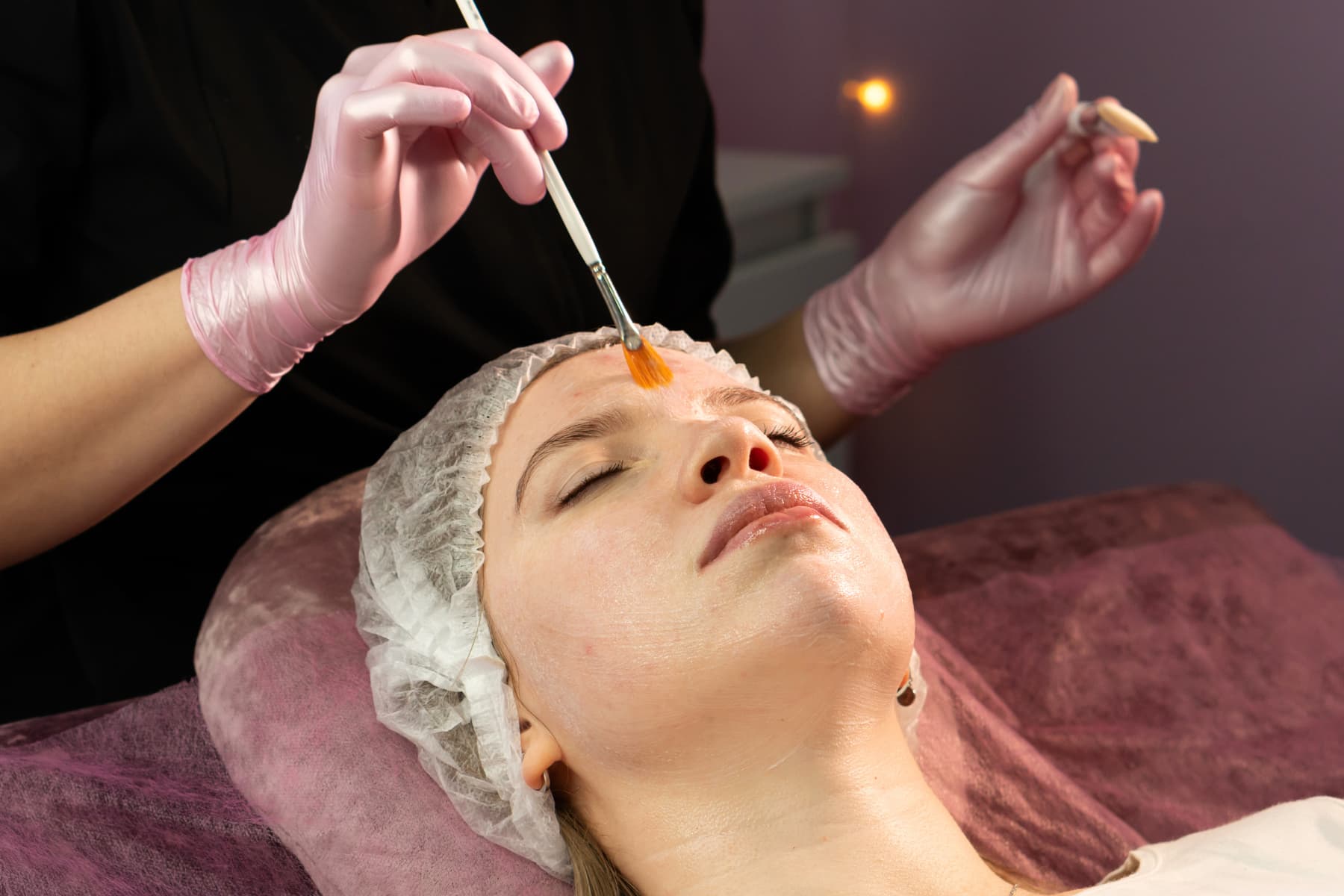
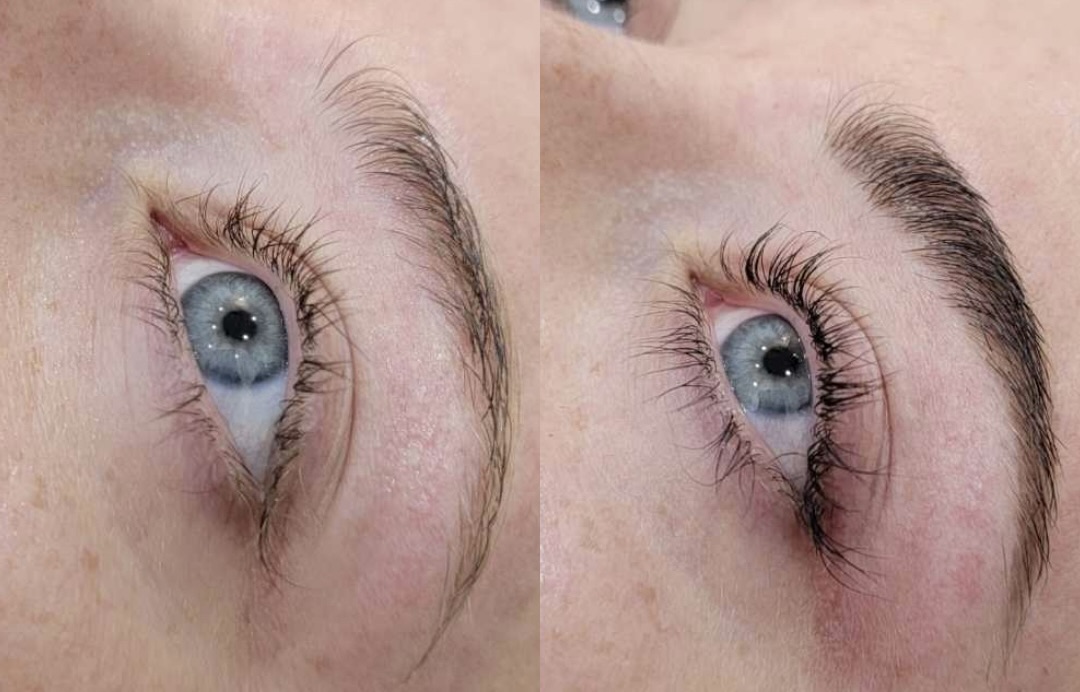
Website: Use Authentic Photos in:
- Before-and-after galleries
- Testimonials
- “About Me” or “Meet Your Esthetician” pages
- Behind-the-scenes of your workspace
Why: Clients want to know what to expect when they walk in.
This stock vs. authentic mix gives you the best images for beauty marketing: polished at the top, real underneath.

2. Organic Social Media (Instagram, Facebook, TikTok)
This is where your personality lives.
Use Authentic Photos most of the time:
- Client results
- Your treatment room
- Process photos
- Your hands working
- You in your element
- Your skincare products
Why: People follow you for you. Genuine content feels human and trustworthy.
Use Stock Photos sparingly:
- Educational posts
- Seasonal graphics
- General beauty concepts
- Quote templates
Just keep them on-brand, not random.
3. Boosted Posts
Boosted posts on social media act as simple ‘top-of-funnel’ ads. Top funnel simply means the stage where people first discover you—it’s the very beginning of attracting new potential clients.
When you boost a post, Meta tells you who it will be shown to based on the option you choose. For example, if you pick “People you choose through targeting,” that’s a cold audience, and if you pick “People who like your Page” (and their friends), that’s a warm audience.
Best for boosted posts:
- Pretty stock photos for cold audiences (people who don’t know you yet and are seeing your business for the first time)
- Authentic photos for warm audiences (people who already follow you, have visited your page, or know your work)
If you’re boosting an introduction post or a general promo → choose stock.
If you’re boosting a before/after or client testimonial → choose authentic.

4. Meta Ads (Facebook + Instagram Ads)
If you ever move from boosted posts to actual Meta ads:
For cold audiences:
- Use stock models
- Clean, glowing skin
- Relaxing treatment visuals
Why: People don’t know you yet. Stock stops the scroll.
For warm audiences:
- Use your real work
- Before/afters
- Short video clips of treatments
- Behind-the-scenes shots
Why: Warm audiences need proof, not polish.
5. Expanding Into Google Ads?
Display Ads (banners):
- Use stock-quality photos
Why: The images are tiny and should look clean at a glance.
YouTube Ads:
- Use polished footage
Why: YouTube favours high production value.

6. Email Marketing
Emails are intimate and can only go out to your existing clients who have opted in. Clients already know you.
Use Authentic Photos:
- Staff or solo esthetician shots
- Client results
- Your workspace
- Treatment sneak peeks
Use Stock Quality to add polish:
- Header graphics
- Seasonal visuals
- Skincare concepts
Your goal is to feel familiar, trustworthy, and skilled.
Tip: Growing Your Email List
Invite clients to opt in for emails by offering something valuable—such as appointment reminders, exclusive promotions, or useful skin care tips—and simply ask them to check the email-consent box when they book or fill out your forms.

Choosing the best images for esthetician marketing is simple:
- Stock-quality images = polish, professionalism, and scroll-stopping appeal
- Authentic images = trust, connection, and conversions
Do not overthink it—you’ve got this. With these simple tips as your guide, your marketing visuals will appeal to different clients (and potential clients) at every stage of their decision-making journey.
READ MORE: The Client Decision Funnel: Why Clients Actually Book You
Good to Know: Consumer behaviour and marketing trends change quickly. Strategies that worked even a few months or years ago may no longer be best practice. When learning or researching, always check publication dates to ensure you are using current information.