
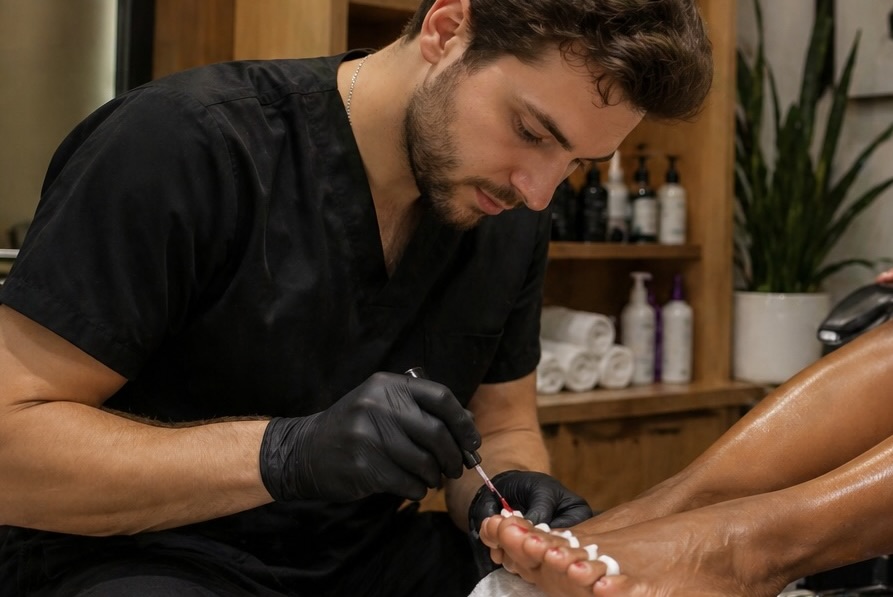
Scroll any booking app or Instagram page and you will see it instantly. Clean shaping, flawless structure, and intentional design stand out. Rushed work, poor prep, and lifting? Clients notice just as fast. The difference often comes down to one thing: training.
If you are exploring nail technician courses in Winnipeg, you are not just learning how to paint nails. You are stepping into a technical craft that blends artistry, chemistry, hygiene, and business.
What to Expect From A Nail Technician Program (Start To License)
Your training starts with a 16-week diploma program that blends theory and hands-on practice. You will learn manicures, pedicures, nail enhancements, sanitation, massages, and client care, then practice on classmates before moving on to real clients during practicum.
After graduating, you complete a practical exam, then begin a paid apprenticeship in a salon where you build real-world experience while working toward licensing.
Once you reach about 1,000 hours (around one year), you write your provincial licensing exam. After passing, you are fully licensed and can work in a salon, freelance, or open your own business.
Learn More: Inside My Nail Technician Program: Class Schedule, Practicum Sneak Peek & Your Path to Licensing

It Is Not Just About Pretty Nails
The outside looks creative. The inside is precise.
A well-trained nail technician understands what is happening beneath the polish. Nail health, structure, and product compatibility all matter. Without that foundation, even the most beautiful design will not last.
Training typically covers:
- Nail anatomy and growth cycles
- Proper sanitation and infection control
- Product chemistry for gels, acrylics, and enhancements
- Nail preparation to prevent lifting and damage
- Shaping techniques for durability and aesthetics
Each step builds on the next. Skip one, and the results show.
Clients may not know the terminology, but they know when something feels off. Lifting, cracking, and discomfort all point back to technique.
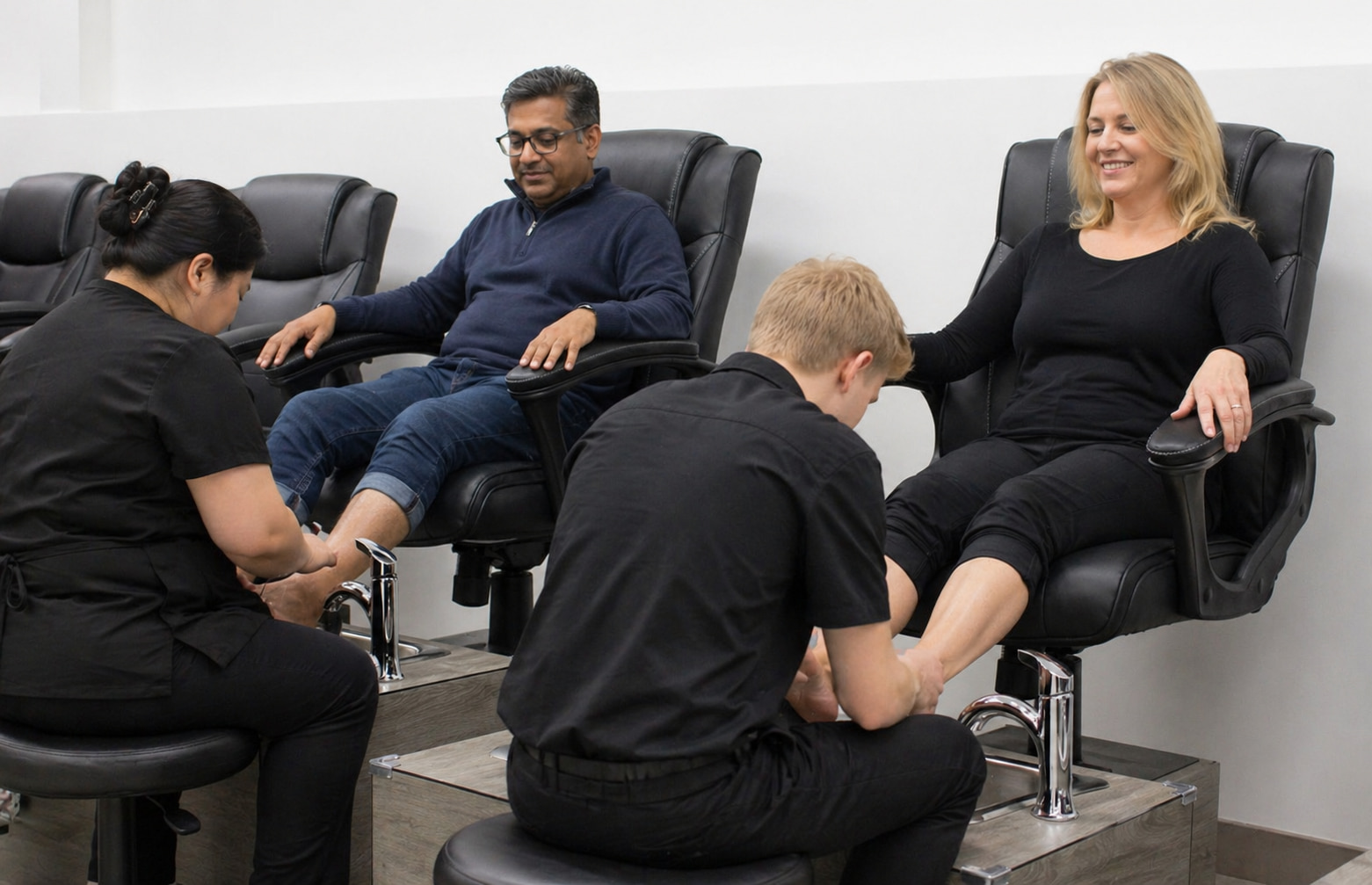
The Real Skill Is In The Prep
Most beginners focus on design. Experienced technicians focus on prep.
That is where retention lives.
A proper nail technician course will teach:
- Cuticle work that protects the nail plate
- Surface preparation that supports adhesion
- Product control to avoid bulk and imbalance
Design comes later. Longevity comes first.
This shift in mindset separates hobbyists from professionals.

Nail Technician Courses In Winnipeg And What They Should Actually Teach You
A strong curriculum goes beyond application and dives into decision-making. It answers questions such as:
- Why does lifting happen on certain clients?
- How do different nail types affect product choice?
- What adjustments should you make for damaged nails?
Look for programs that include:
- Hands-on training with live models
- Instructor feedback during application
- Exposure to multiple systems, such as gel and acrylic
- Real-world troubleshooting
Repetition under guidance builds confidence.

Tools, Products, and Techniques Matter More Than Trends
Trends move fast. Technique stays.
Chrome, French fades, intricate nail art. These all cycle in and out. What does not change is the need for structure, balance, and durability.
High-quality training introduces:
- Professional-grade tools and how to use them properly
- Product knowledge that goes beyond brand names
- Efficient workflows to maintain consistency

The Business Side No One Talks About Enough
Skill gets you started. Branding keeps you booked.
Nail technicians today operate in a highly visual, highly competitive space. Even when working in a salon, your personal brand follows you.
You are not just offering a service. You are building a reputation.
Strong programs offer education and resources on:
- Client consultation and communication
- Pricing strategies and service structuring
- Social media presence and portfolio building
- Rebooking and client retention
A clean set brings a client in. A strong experience brings them back.

Your Career Can Go Further Than You Think
Entering the industry thinking about the next couple of years? The reality is much broader.
With the right foundation, a licensed nail technician can:
- Work in salons or medi spas
- Rent a chair or open a studio
- Build a freelance or mobile business
- Teach or mentor future technicians
- Expand into advanced services or complementary treatments
The flexibility is one of the biggest draws. You can shape your career around your lifestyle.

What Clients Expect Now
The bar has moved.
Clients today come in informed. They compare work online. They expect:
- Clean, hygienic environments
- Long-lasting results
- Customization based on their nail type and lifestyle
- Clear communication and professionalism
Meeting those expectations requires more than surface-level training.
It requires understanding.
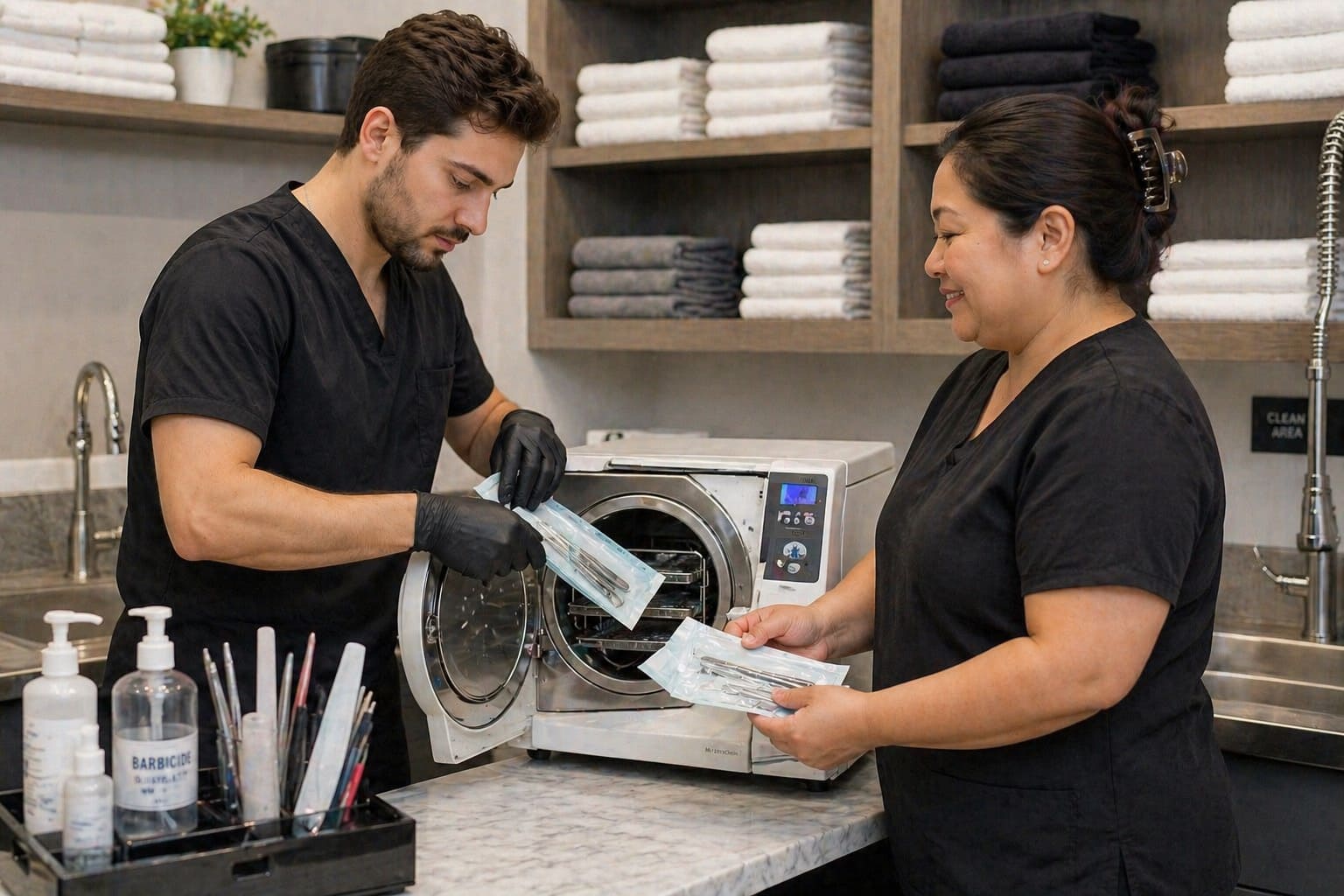
Choose Training That Builds Confidence
Confidence does not come from watching tutorials. It comes from doing the work, making mistakes, and correcting them with guidance.
When evaluating a course, consider:
- How much hands-on practice is included
- Whether instructors provide real-time feedback
- If the program prepares you for real client scenarios
A diploma is one thing. Competence is another.

A great manicure or pedicure influences how the client feels, how they present themselves, and how they return to you. Strong training gives you the ability to deliver consistent results, adapt to different clients, and build a career that lasts.
In a crowded industry, skill backed by education still cuts through the noise.