
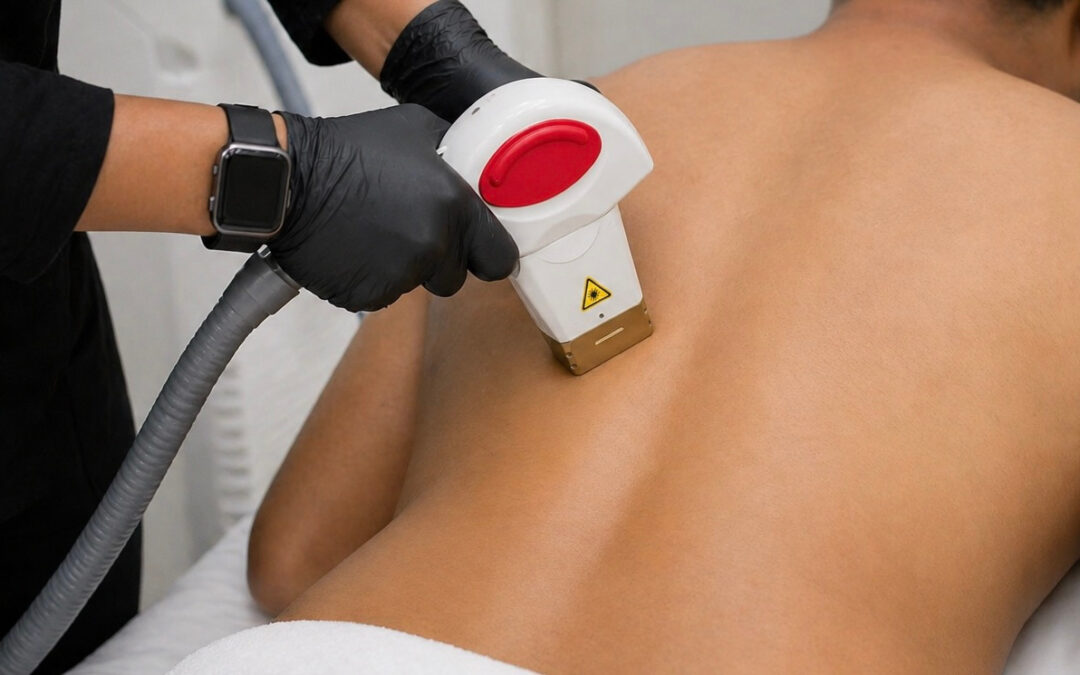
The beauty industry does not wait for anyone. It evolves, upgrades, and reinvents itself faster than most careers can keep up.
That shift has created a clear divide. On one side, professionals offering basic services. On the other, those working with advanced technology that delivers faster, more visible results.
Laser is firmly in the second category.
For anyone entering esthetics today, understanding how to work with energy-based devices is no longer a niche skill. It is quickly becoming the standard.

Why Laser Is Reshaping The Industry
Traditional skin care treatments focus on the surface. Cleansing, exfoliation, and hydration all play a role. Results are noticeable, but they often require consistency and time.
Laser changes the timeline.
Instead of working only at the surface level, laser treatments target deeper layers of the skin. Pigmentation, redness, texture, and unwanted hair can be addressed with precision. That level of control attracts clients who want efficient, results-driven treatments.
Demand reflects that shift.
Clients are not just asking for facials anymore. They also want:
- Clearer skin tone
- Reduction in acne scars
- Removal of unwanted hair
- Treatment for sun damage and pigmentation patches
- Preventative treatments for premature ageing
Professionals who can offer these services hold a significant advantage.
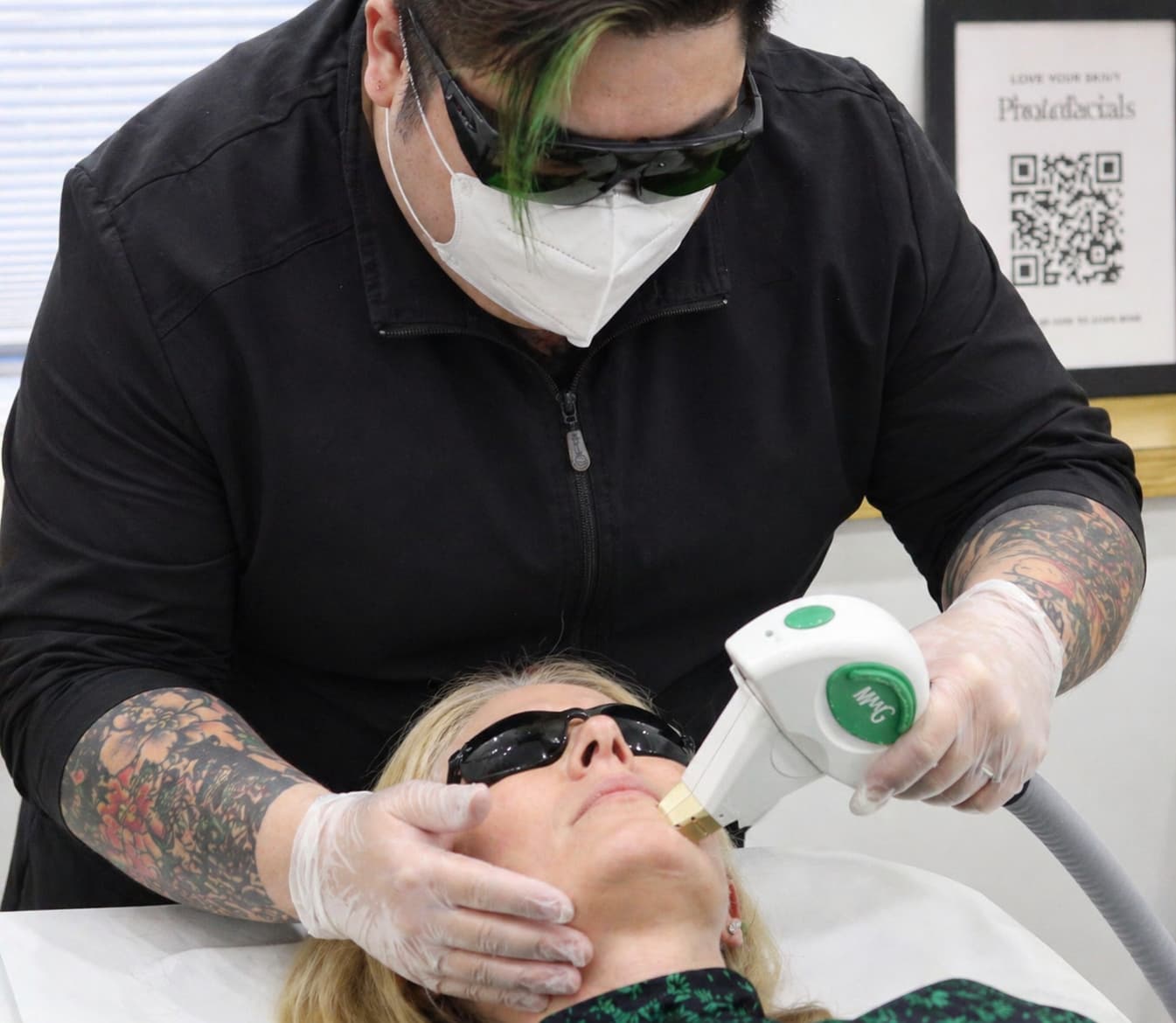
The Skill Gap New Estheticians Face
Many people who enter esthetics can build a career through foundational services alone. That approach works for a while, but it often limits growth.
Advanced treatments open doors.
Without training in laser technology, estheticians can find themselves competing in a crowded market with similar offerings. With training, the scope of services expands immediately.
It also changes how clients perceive expertise.
Someone trained in advanced devices signals a deeper understanding of skin function, safety, and long-term treatment planning. That credibility matters in an industry where trust drives bookings.
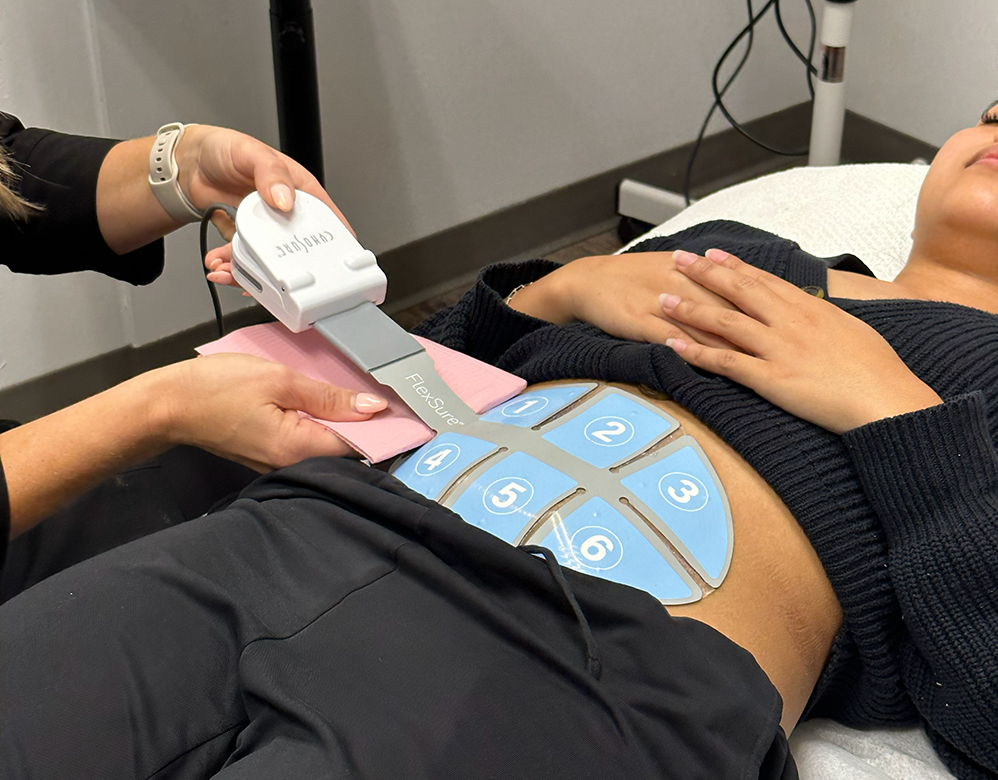
What You Actually Learn In Laser Training
Laser education goes beyond learning how to use a device. It builds a framework for understanding how light interacts with skin.
Students typically learn:
- Skin anatomy and how different layers respond to light energy
- The science behind wavelengths and how they target specific concerns
- Safety protocols to protect both client and practitioner
- How to assess skin types and choose appropriate settings
- Treatment planning for concerns such as pigmentation, acne scars, and hair removal
Hands-on practice plays a major role. Theory alone does not prepare someone to work confidently with these devices.
Confidence comes from repetition, supervision, and real-world application.
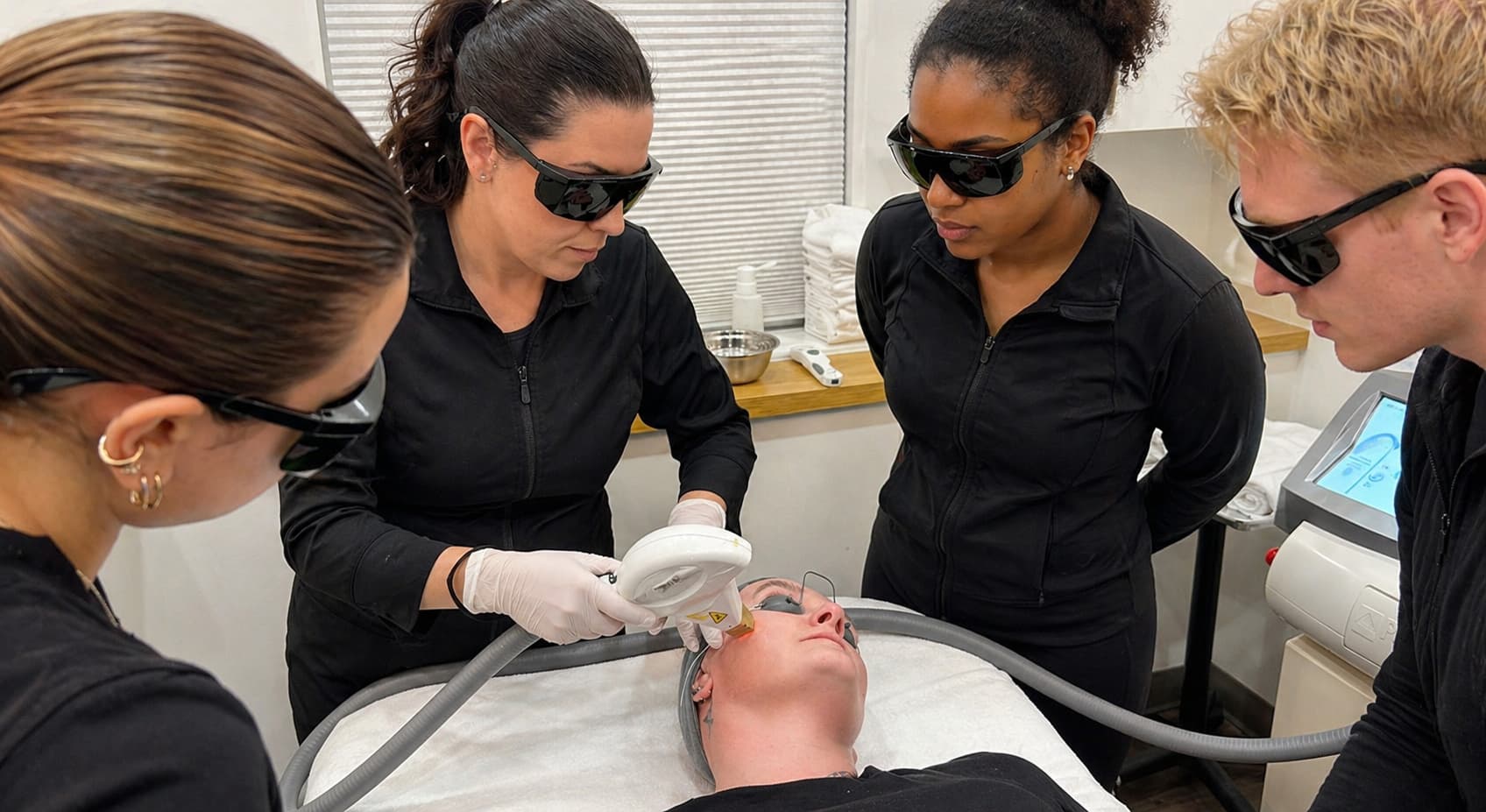
Laser Technician Course Winnipeg: Where Theory Meets Practice
A laser technician course in Winnipeg bridges the gap between textbook knowledge and practical skill.
Classroom learning introduces the science. Practical training builds the instinct.
Students move from understanding concepts to applying them. They learn how to adjust treatments based on individual skin responses rather than following a fixed script.
That flexibility is critical.
No two clients present the same way. Skin tone, sensitivity, and treatment history all influence what laser settings should be used. A well-structured course prepares students to adapt in real time.
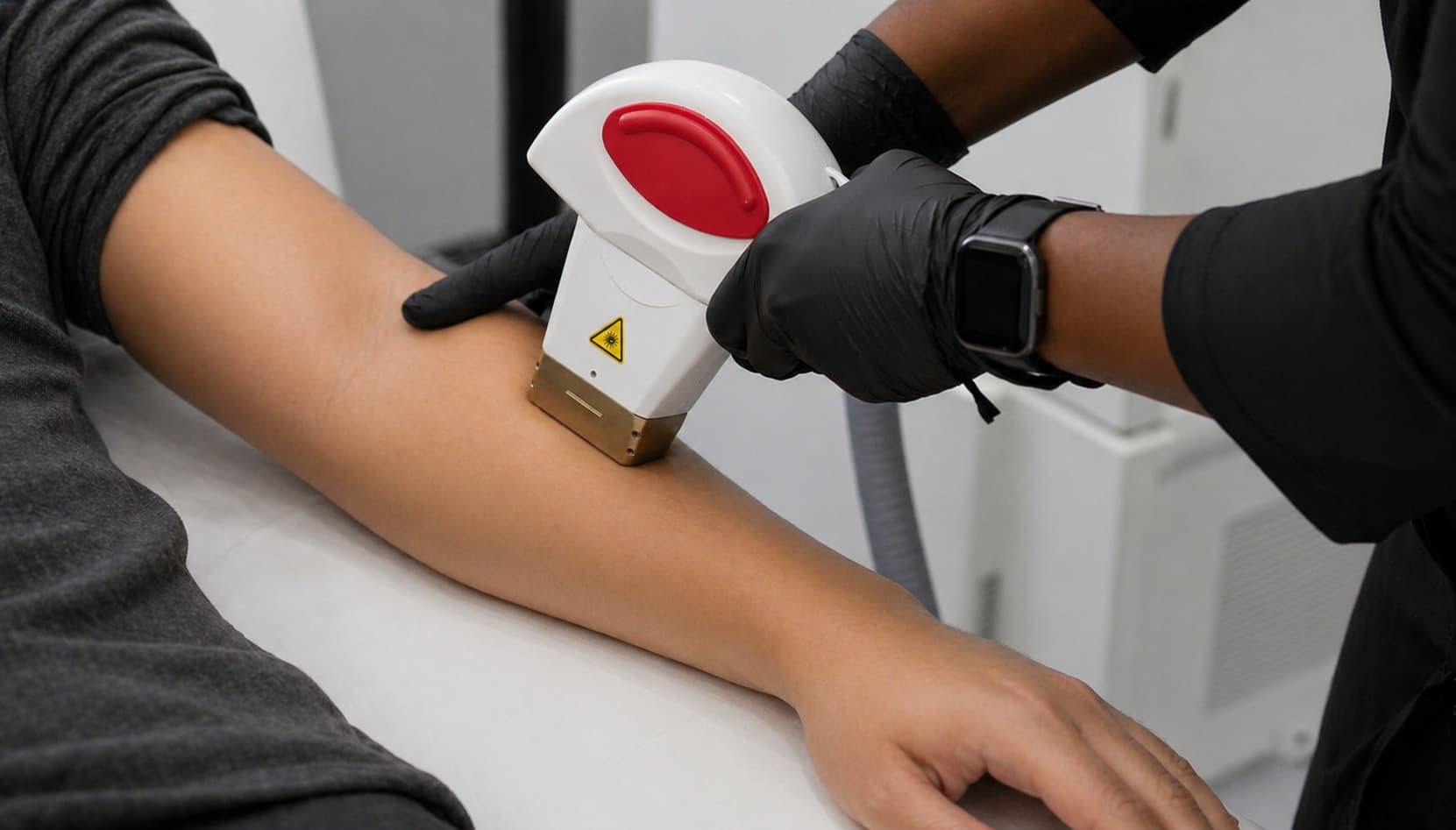
The Career Path Is Not One-Size-Fits-All
Laser training does not lock you into a single role. It expands options.
Some graduates choose to work in medical esthetics clinics, focusing on advanced treatments. Others integrate laser into a broader service menu that includes facials and skincare.
There is also room for growth over time.
- Starting with foundational treatments (such as laser hair removal)
- Adding laser services to increase earning potential (such as tattoo or scar removal)
- Expanding into other technologies such as radiofrequency or microneedling
Each step builds on the last. The career becomes more specialized and more valuable.

Beyond The Device: Understanding Skin At A Deeper Level
Laser training changes how you see skin.
Instead of viewing concerns as surface-level issues, you begin to understand underlying causes. Pigmentation is not just a dark spot. It is a response to triggers such as sun exposure, inflammation, or hormonal shifts.
That perspective improves decision-making.
Treatments become more targeted. Product recommendations become more intentional. Results become more consistent.
It also strengthens communication with clients.
Explaining why a treatment works builds trust. Clients are more likely to commit to a plan when they understand the reasoning behind it.
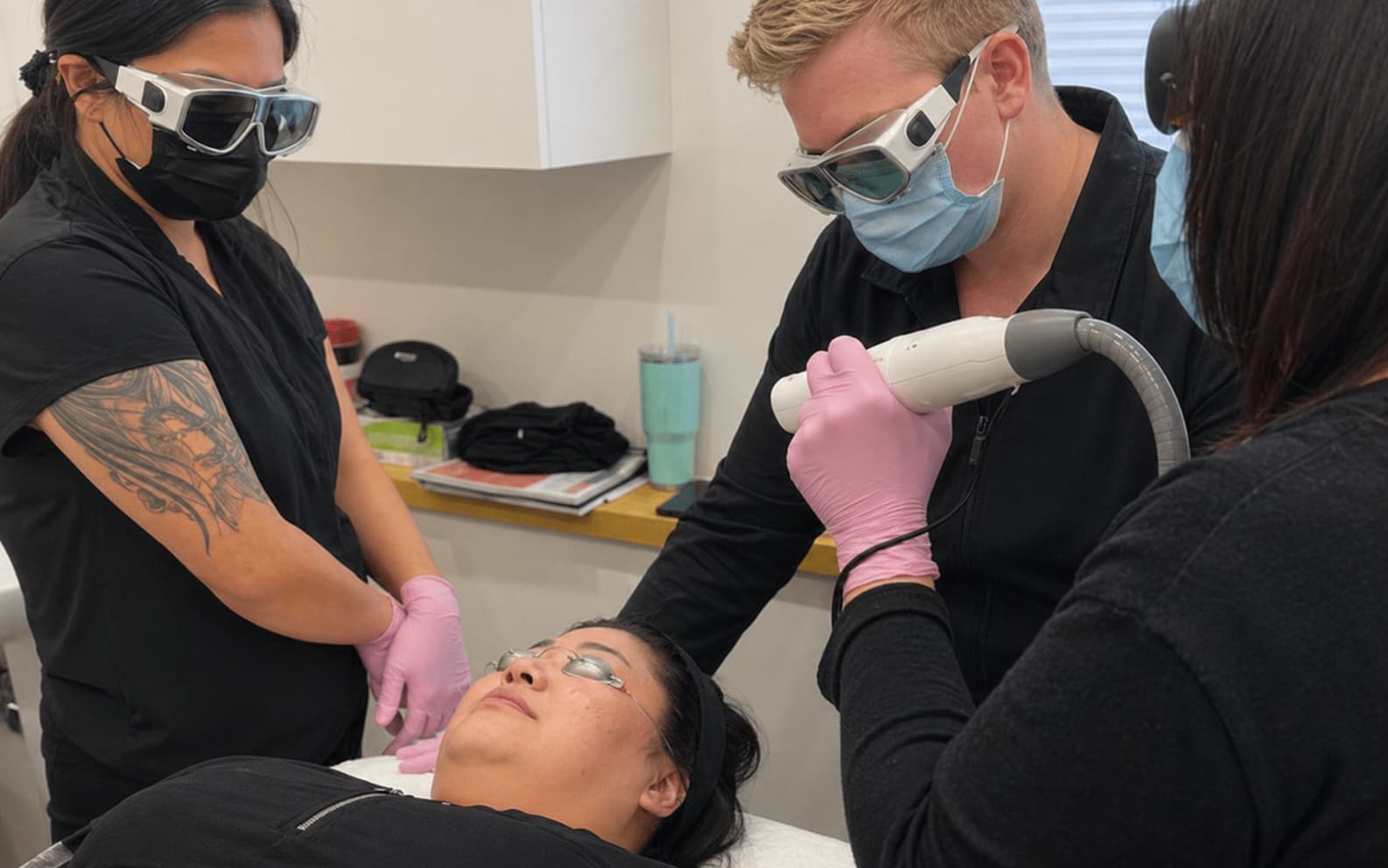
The Reality Of Working With Advanced Technology
Laser treatments require precision and responsibility.
Devices are powerful. Settings must be chosen carefully. Safety protocols must be followed every time.
This responsibility can feel intimidating at first. Proper training reduces that uncertainty.
With the right foundation, practitioners develop a sense of control. They learn how to read the skin, adjust settings, and respond to feedback during a treatment.
That level of awareness separates a technician from a true specialist.
The Real Risk Behind Untrained Laser Treatments
In most developed countries, estheticians without proper certification are not permitted to perform laser treatments.
Much of Western Europe and several U.S. states go even further, restricting these services to medical practitioners. The reason is simple: without proper training, laser treatments can cause serious damage to the skin. Understanding the “why” behind the treatment, along with supervised, hands-on training, is essential.
Most Canadian provinces (including Manitoba) and some U.S. states do allow estheticians to perform laser services. As an esthetician with a reputation to protect, however, beware:
If a business offers you “on-the-job” training without a formal curriculum or structured theory (or relies on a device manual as theory), that is a clear red flag. This approach puts clients at risk and can quickly damage your reputation.
Those who have been in the industry long enough have seen the consequences. Proper education, certification, and experience are not optional. They protect your clients, strengthen your credibility, and make you far more employable in a competitive field.
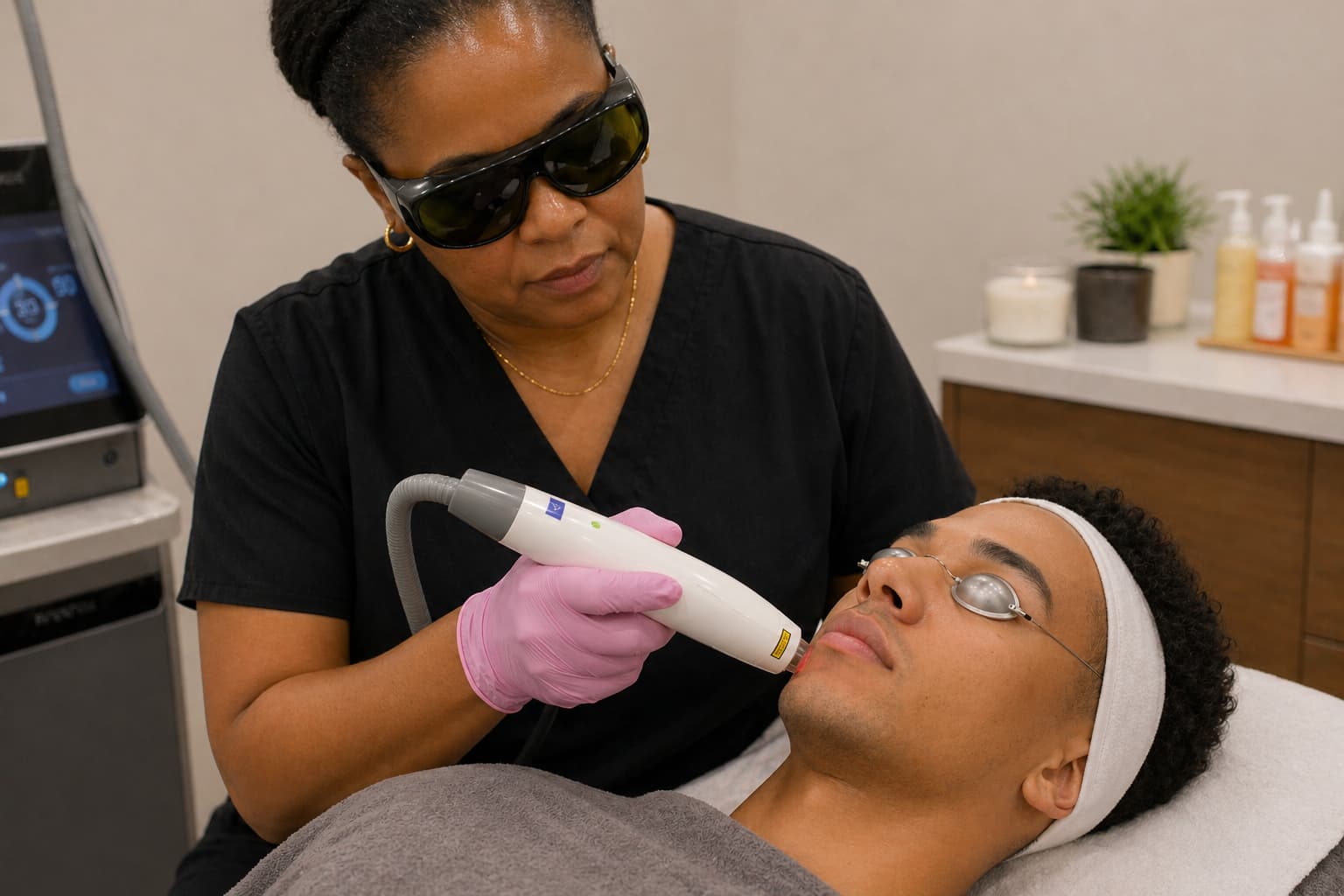
Is Laser Training Worth It Early In Your Career?
Timing matters.
Adding laser training to your diploma program early can accelerate career growth. It allows new professionals to enter the industry with a broader skill set.
It also reduces the need to retrain later.
Learning advanced treatments after years in the field can feel like starting over. Integrating those skills from the beginning creates a smoother progression.
That said, there is no single path.
Some choose to build a foundation first, then layer in advanced training. Others begin with a laser technician course in Winnipeg to position themselves differently from day one.
Both approaches can work. The key is understanding where you want your career to go.

Where does that leave you?
Esthetics is no longer limited to surface-level treatments. Technology continues to push the industry forward, and laser sits at the center of that shift.
Training in this area does more than add a service. It changes how you approach skin, how you communicate with clients, and how you grow within the industry.
Opportunities follow those who adapt.
In a field that evolves this quickly, staying still is the only real risk.