

Are you being ignored or under-seen?
Most estheticians post about a treatment once, maybe twice, then move on when bookings do not flood in. That is not a content problem. That is a repetition problem.
Marketing researchers report that people rarely act the first time they see something. They need to recognize it, understand it, trust it, and then decide it is for them. That takes multiple touchpoints.
One post is not a marketing move. It is a whisper in a very loud room.
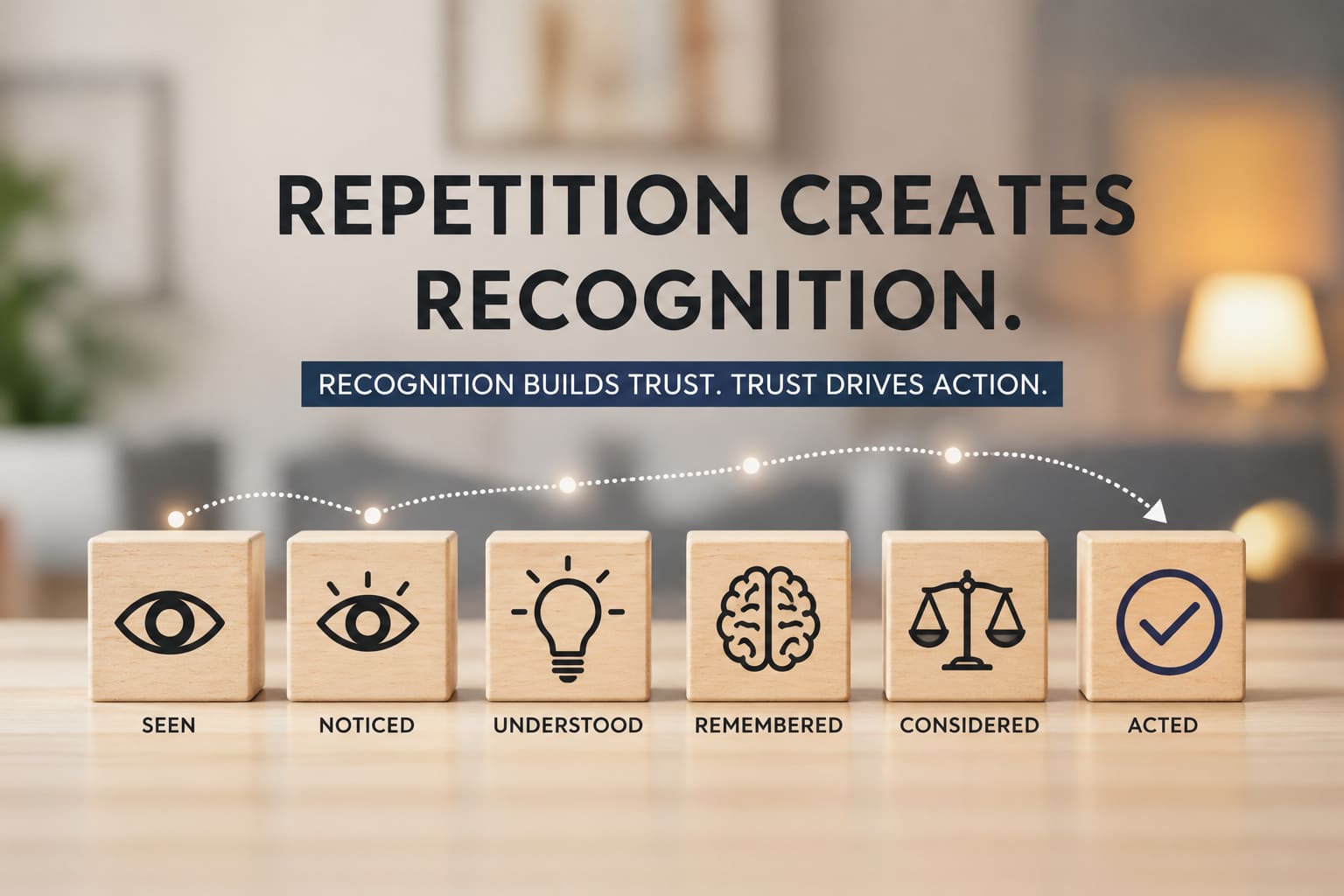
Why Repetition Works (Even If It Feels Annoying)
Here is what is actually happening on the client’s side:
- The first time they see your post, they scroll past it
- The second time, they notice it
- The third time, they start to understand it
- The fourth time, they remember it
- The fifth time, they consider booking
Repetition builds familiarity. Familiarity builds trust. Trust drives bookings.
Your audience is not tired of your message. They are just starting to recognize it.
Deeper Dive: The Client Decision Funnel

The 5-Post Rule Explained
Instead of jumping between treatments every day, focus on one treatment and build a sequence around it.
This is how you turn random posting into strategy.
We touched on this concept briefly in a previous article, Focusing on One Service at a Time, which is a great place to explore the ‘why’ behind it. However, in this post, we are taking it a step further with a practical, actionable plan to help you apply it.
My Spa Already Has a Marketing Strategy. Where Does My Personal Brand Fit In?
Short answer: you are part of the marketing.
Your spa brings people in the door. Your personal brand is what makes them choose you.
Think of it like this:
- The spa is the stage
- You are the performer
People might find the spa first. But when they book, they often pick a person. That is where your personal brand matters.
Even if your spa is posting, running ads, and doing promos, that does not replace you showing up online. Your page is where clients connect with your personality, your work, and your vibe.
Here is how it works together (yes, it is a two-way thing):
- The spa’s marketing brings attention
- Your content builds trust
- Trust turns into “I want to book with you”
If the spa is doing well, you get more opportunities. If you build your brand, you bring more value to the spa. You grow together.
So what is your role?
You stay visible. You stay consistent. You show your work.
Post things like:
- Your results
- Your process
- Your personality
- Your client wins
You do not need to be perfect. You need to be present.
Also think long-term. Your personal brand follows you wherever you go. Different spa, your own space, new city, it does not matter. The people who like you will follow.
That is the goal. Not just “clients of the spa,” but your clients.
So yes, your spa has a marketing strategy. That is great.
Now build yours alongside it.

Post 1: Problem Awareness
Start with what your client is dealing with. Make it relatable and specific.
The key is to see it from their point of view, not yours.
Examples:
- “Your skin looks dull no matter what you use?”
- “Breakouts that leave marks long after they are gone?”
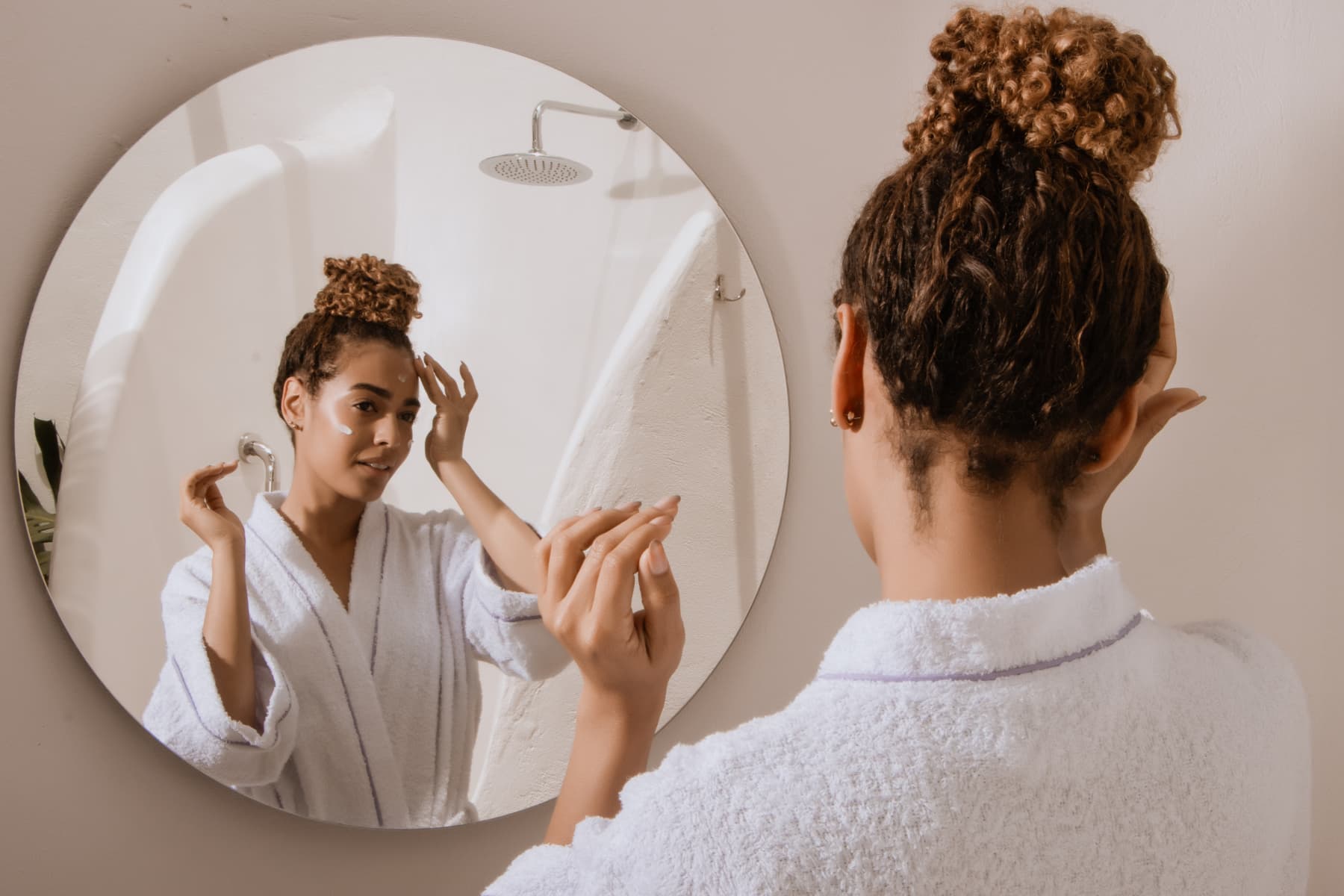
This is not the time to talk about your service. This is about making them feel seen.
Dive deeper into the client POV strategy: Stop Selling Treatments
Post 2: Education
Now explain what is happening to their skin and introduce the idea of a solution.
Keep it simple and clear.
Examples:
- What causes acne scars and pigmentation?
- Why over-the-counter products sometimes hit a plateau
You are positioning yourself as someone who understands the why, not just the treatment.
Post 3: Myth Busting
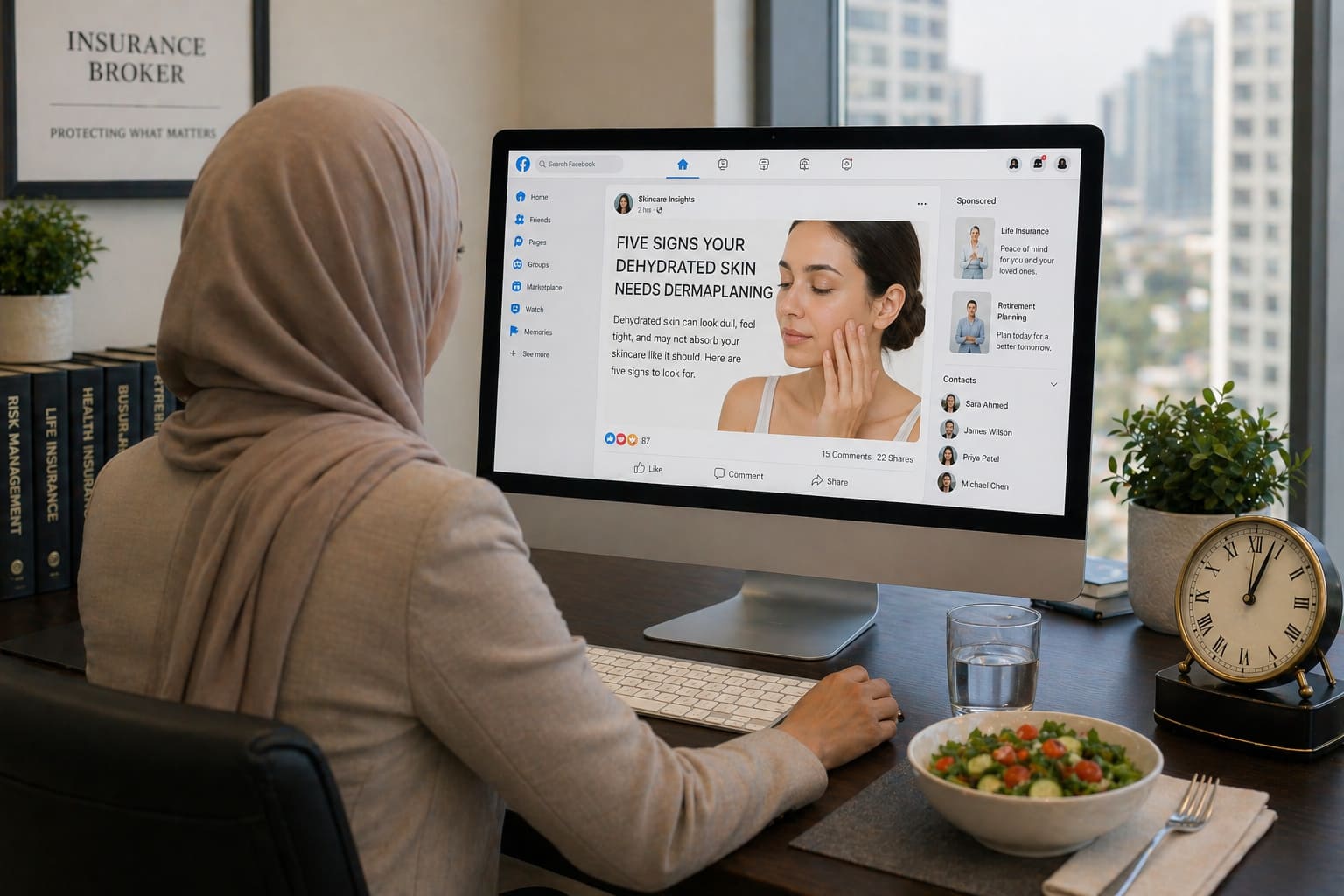
Break a belief that is holding them back from booking.
Examples:
- “No, this is not only for severe acne”
- “No, you do not need weeks of downtime”
This removes hesitation. Most clients are not saying no. They are saying “I am not sure yet.”
Post 4: Results
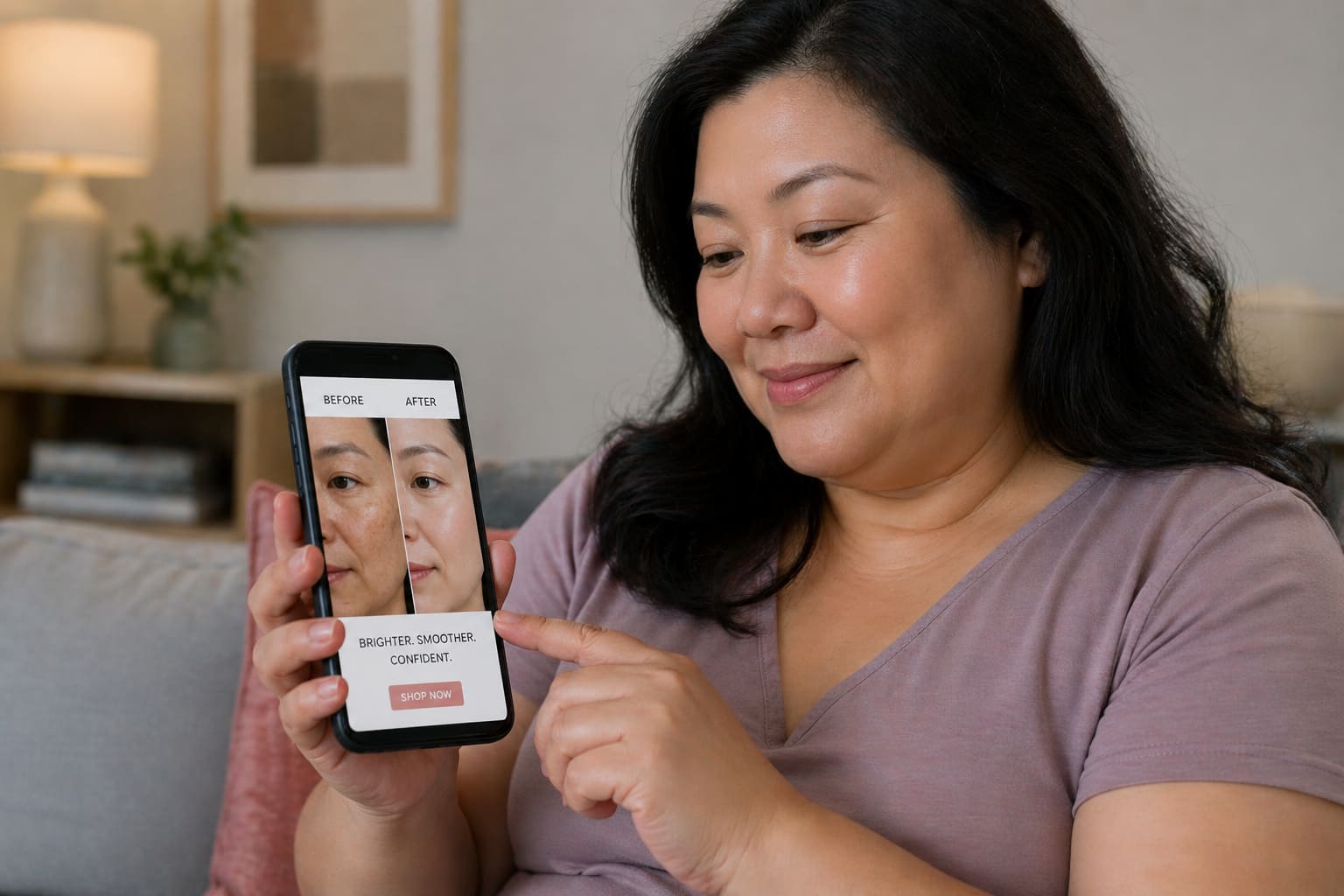
Show proof. This is where before-and-afters, testimonials, or transformations come in.
Focus on clarity:
- What was the concern?
- What changed?
- Over what timeline?
This is where belief turns into possibility.
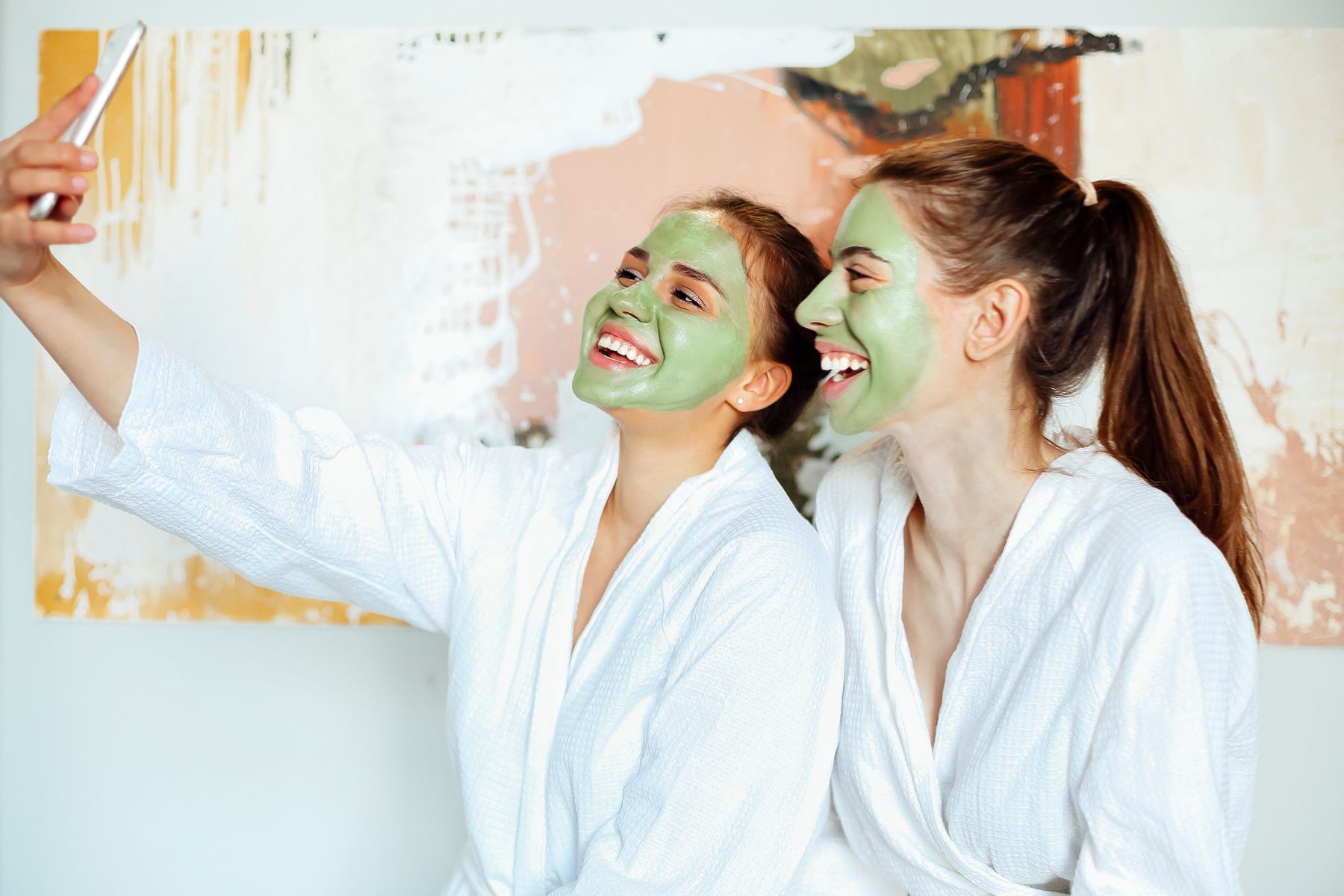
Post 5: Offer / Call To Action
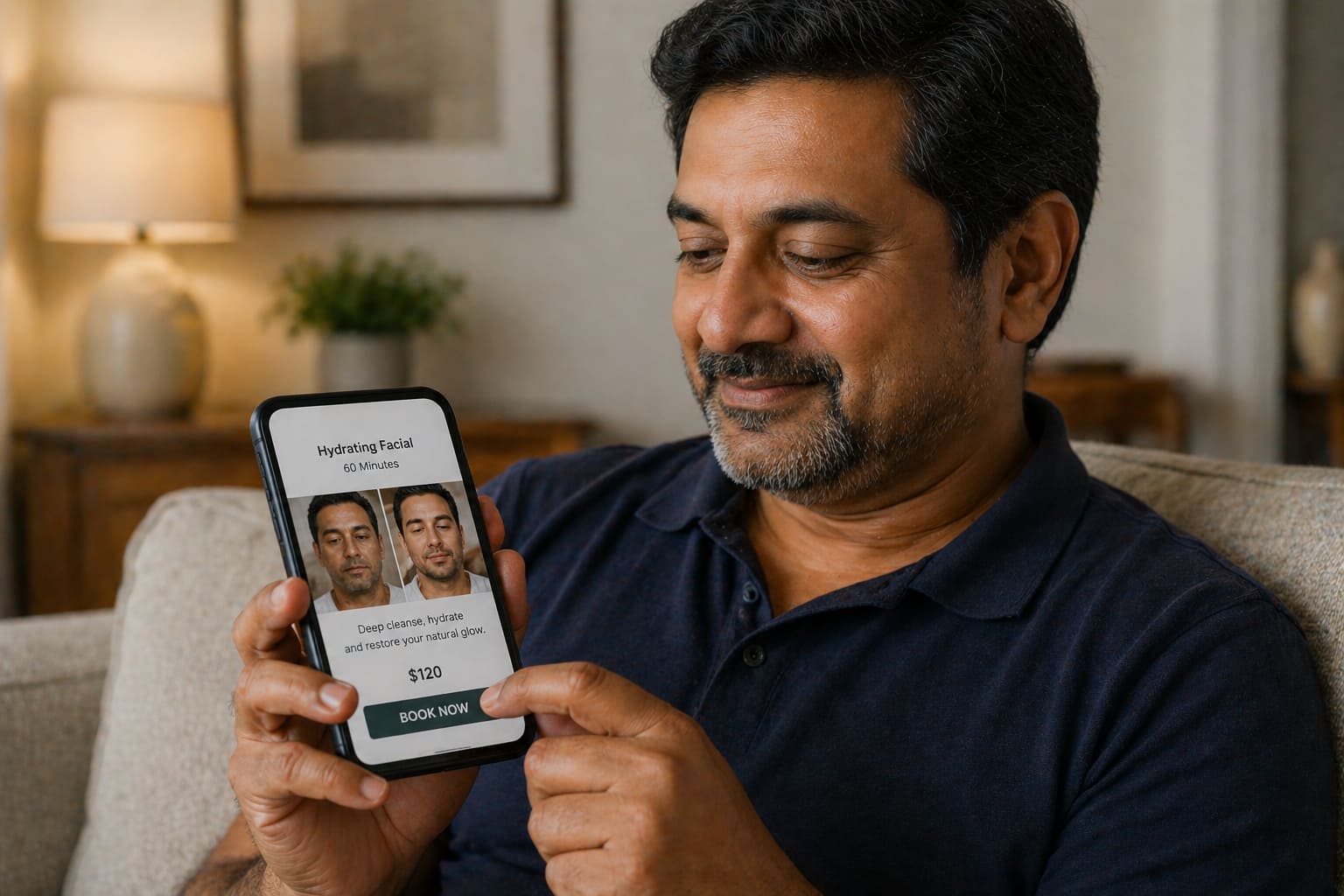
Now you offer the booking.
Make it simple and direct:
- “Ready to start clearing your skin? Book here.”
- “DM me ‘ACNE’ and I will guide you.”
Do not assume people will take action without being invited to.
Same Message, Different Angles
Here is where most people get it wrong.
They think repetition means saying the exact same thing over and over. It does not.
You are repeating the message, not the format.
For example, if your focus is acne scars:
- One post talks about confidence
- One explains the science
- One addresses fears
- One shows results
- One invites action
Same destination. Different entry points.
Why This Changes Everything
When you follow this approach:
- Your content feels more intentional
- Your audience starts recognizing your expertise
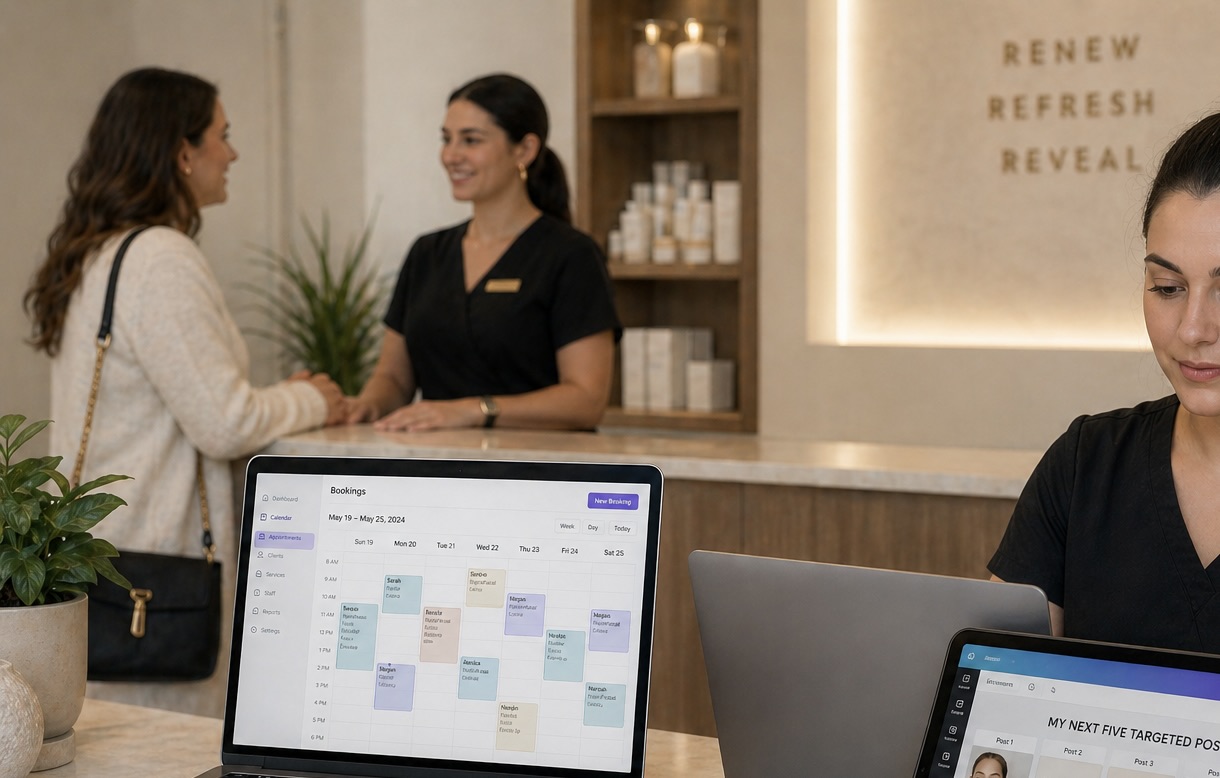
- Your bookings become more predictable
You stop posting randomly and start building momentum.
Marketing is not about saying more. It is about saying the right thing enough times for it to stick.
Finally…
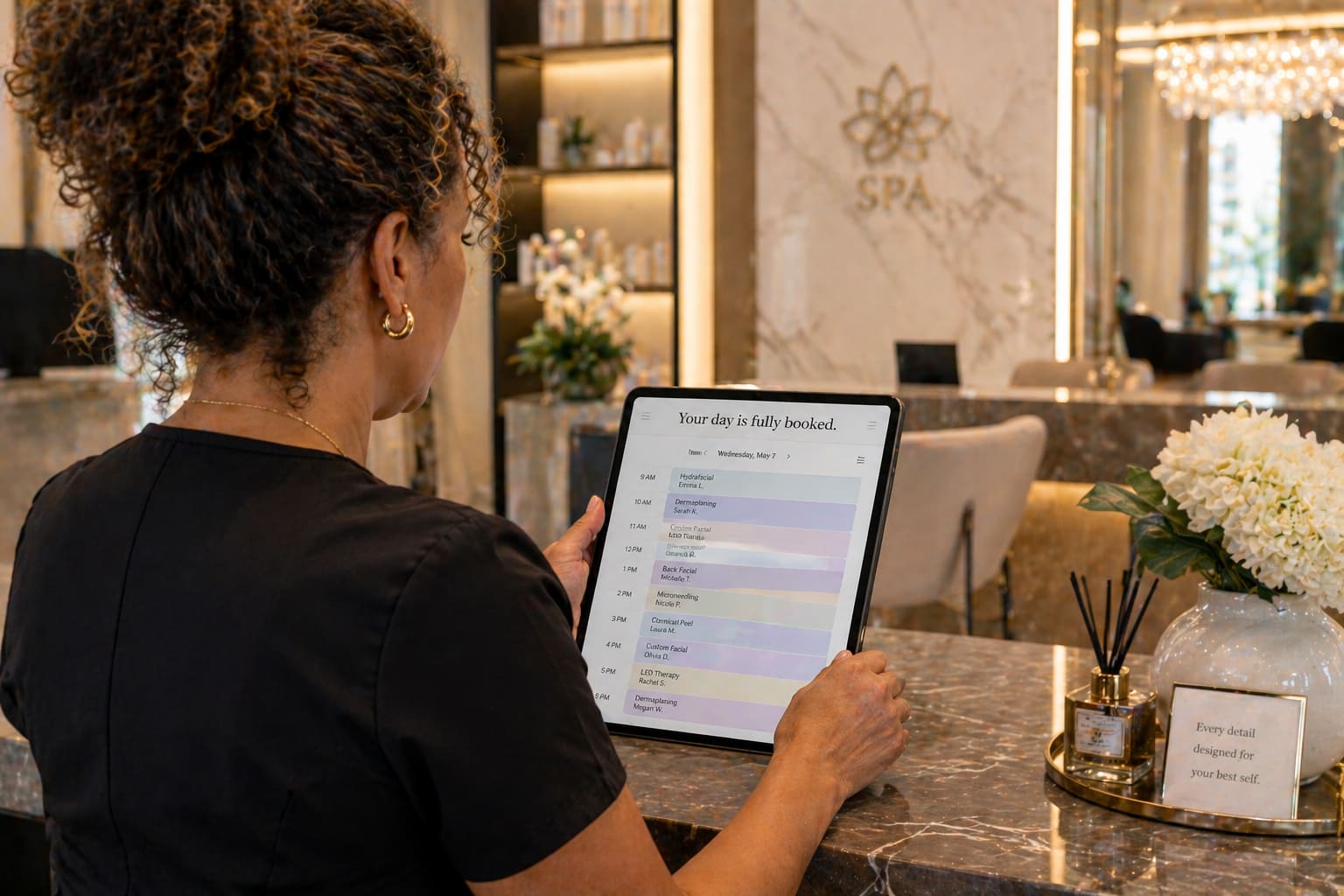
If you feel like you are repeating yourself, you are probably doing it right.
The people who need your service are not watching every post. They are catching glimpses. Your job is to make sure those glimpses connect into something they remember.
Pick one treatment this month. Build your 5 posts. Stay on message.
Then watch what happens.
Good to Know: Consumer behaviour and marketing trends change quickly. Strategies that worked even a few months or years ago may no longer be best practice. When learning or researching, always check publication dates to ensure you are using current information.